Andy JacksonAndy Jackson
About · Andy Jackson FRSA

Hi, I'm Andy —
the innovation consultant.

Introvert. Operator. Founder. I build businesses that work with people, not against them — and I help other owners do the same, without the hustle-culture drama.

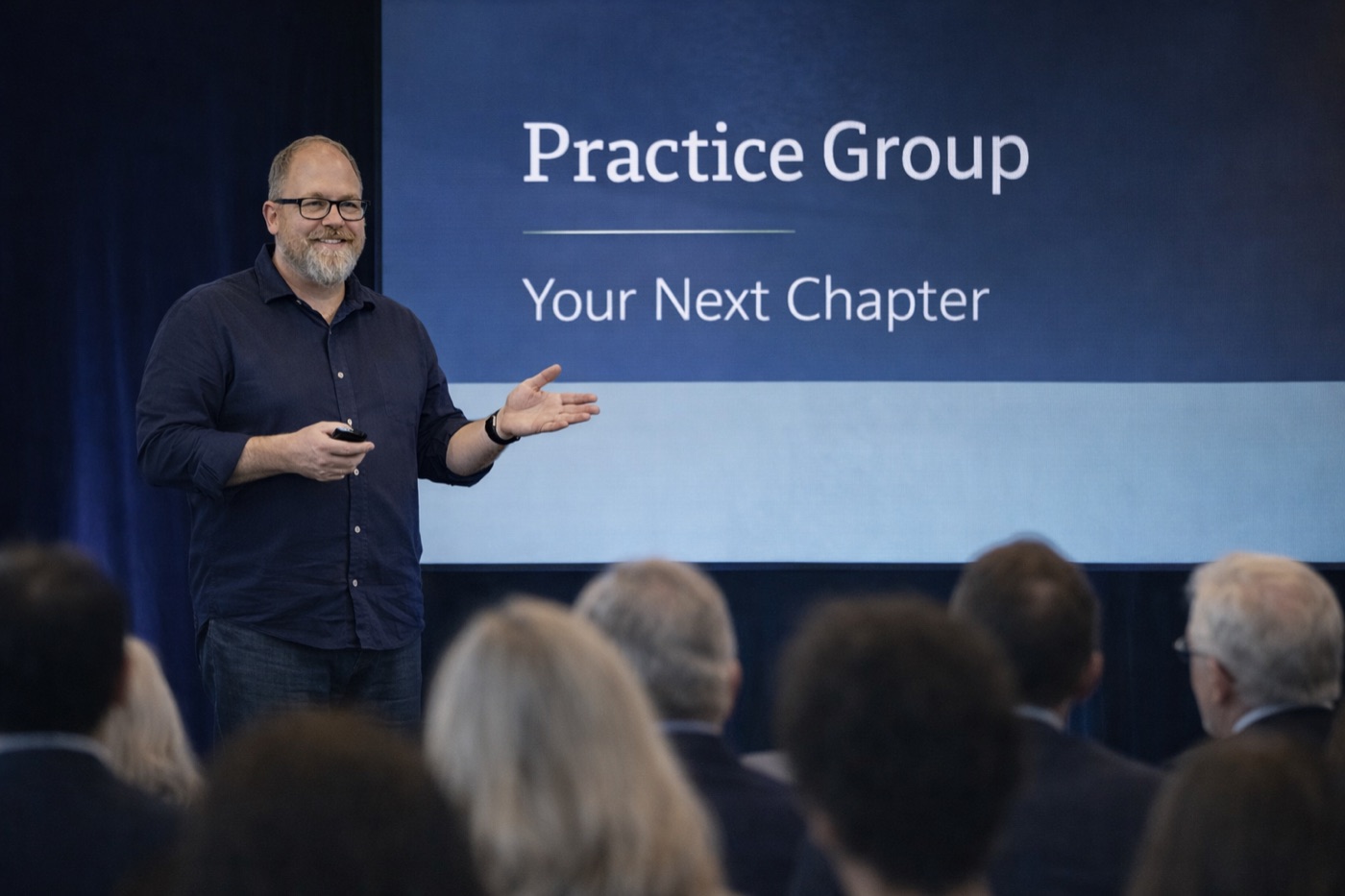
Andy Jackson at his deskAndy Jackson speaking at a conference

My story

I've been part of everything from accountancy firms and fintech platforms to private equity and e-commerce. The real story of building a business is much quieter than the Forbes-cover version — and a lot more powerful. It's clarity, systems, and doing fewer things remarkably well.

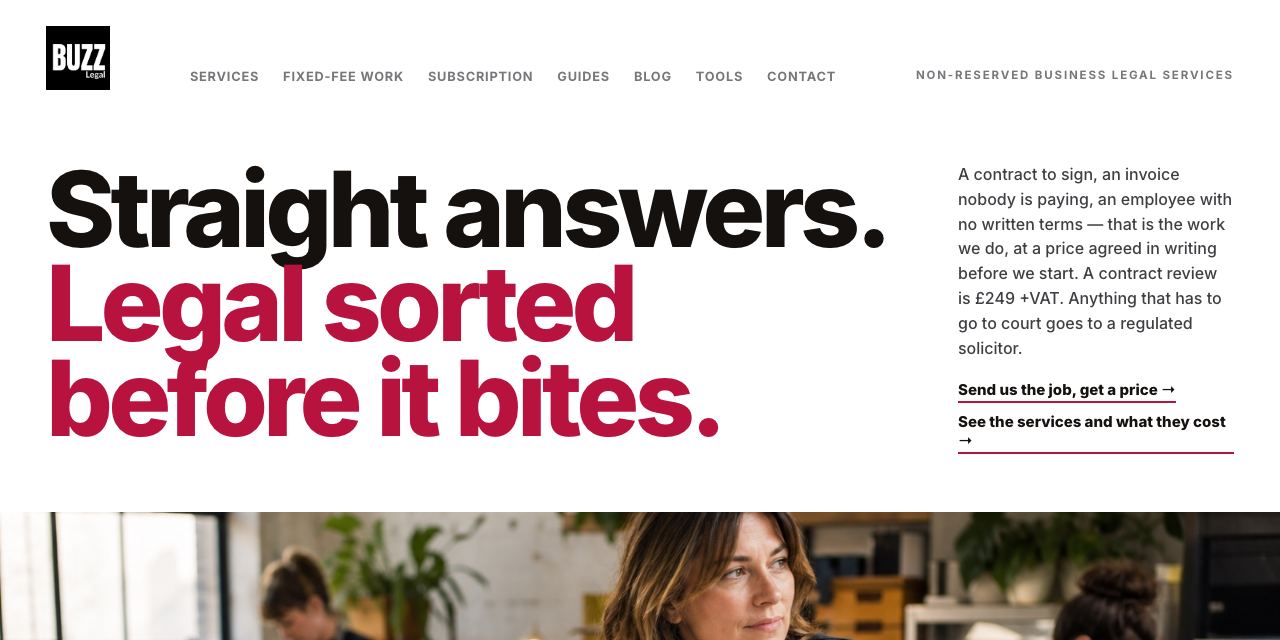
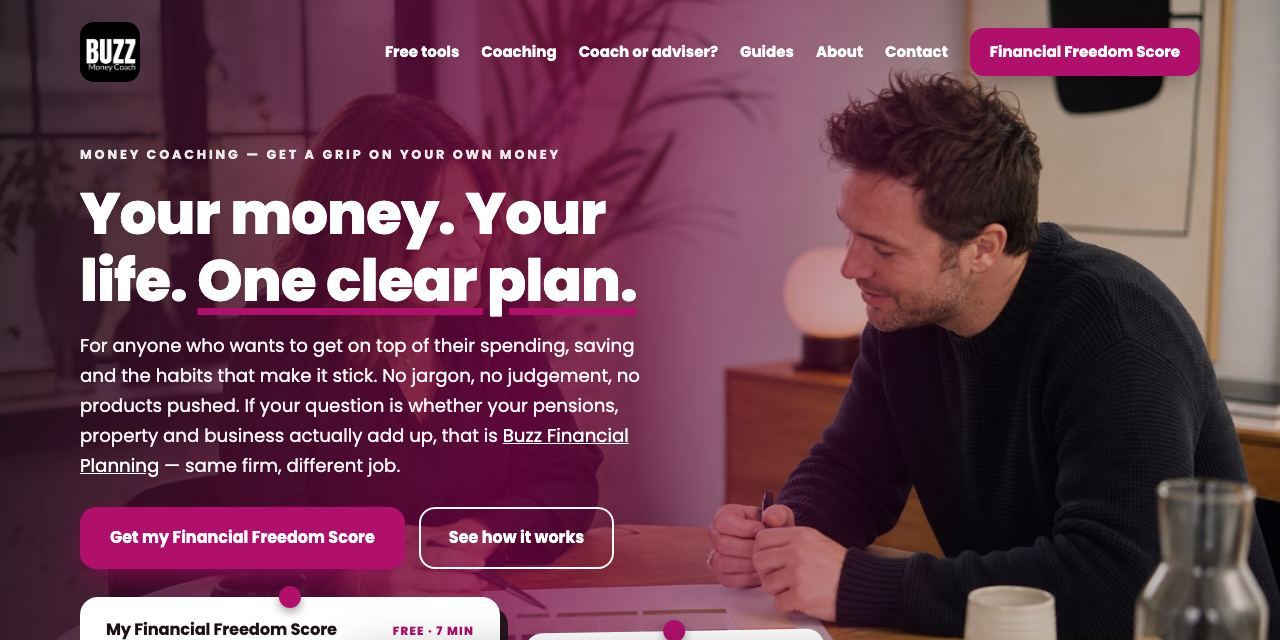
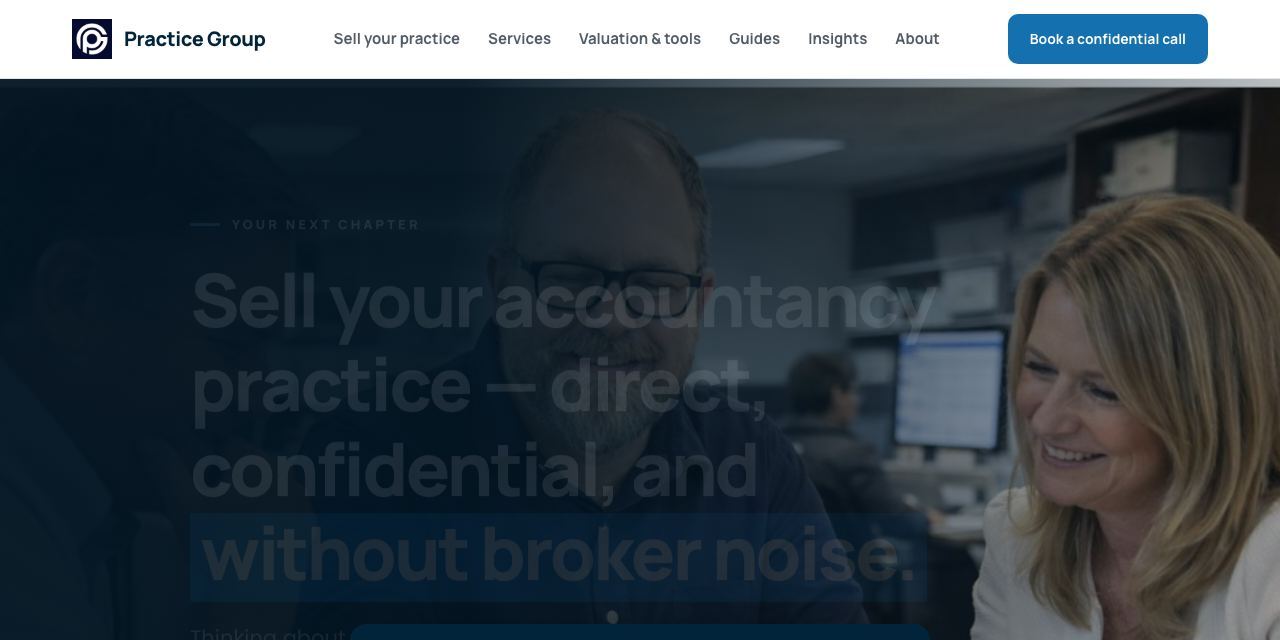
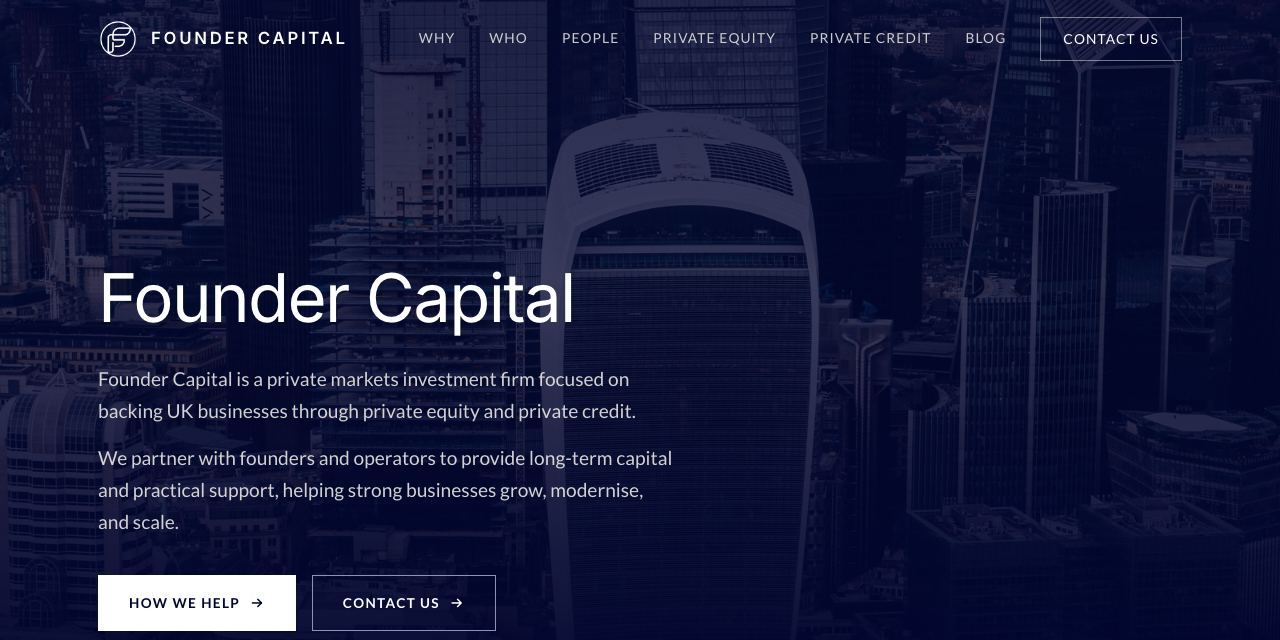
As someone with chronic fatigue syndrome and ADHD, I've had to build businesses that fit how I actually work. You won't find me hustling on social media 24/7. Instead I've built a group of companies that quietly deliver brilliant client experiences and keep growing — Buzz Accounting, Buzz Legal, Practice Group and Founder Capital.

None of it was planned as a group. Each one came from the same place: I needed something that didn't exist in a form I'd have wanted to buy. Buzz Accounting because the self-employed deserve accounting that is basic, brilliant and affordable rather than mysterious and expensive. Buzz Legal because plain-English legal help shouldn't be a luxury item. Practice Group because accountants buying and selling firms had nowhere straightforward to go. Founder Capital because founders and capital keep failing to find each other. If I needed it, the odds are somebody else does too — that's the thread through all four, and it's the same instinct I bring to other people's businesses.

The other half of the story is less about ideas and more about repair. I've led M&A projects and built partnerships across finance, law, tech and investment, and the pattern is consistent: the deal, the platform or the growth plan is rarely the hard part. The hard part is a business that leaks — time, money and energy, quietly, every week — and nobody has had the space to stop and close the gaps.

How I actually work

Every engagement starts the same way, and I don't vary it, because the alternative is guessing. A free 30-minute call. Then a diagnostic pass: what actually happens in your business, in what order, and where the work stops moving. I look at the numbers, the workflow and the client journey — and I talk to the people doing the work, not only the people describing it.

Then a short written plan. Ninety days, no more than three priorities, each with a named owner and a way of knowing it happened. If a plan needs a slide deck to explain it, it isn't a plan yet.

Then the unglamorous part: showing up every week and making sure the thing we agreed actually gets done. That's where consultancy usually stops and where most of the value is. I build with your team rather than around them, because anything I build on my own leaves when I do.

An illustrative first 30 days

This is the shape, not a promise, and the specifics change with the business. One day a week — the Monthly COO arrangement — is roughly four days a month, and it tends to go like this.

Nothing there is clever. It's just done, in order, by somebody whose entire job that day is to make sure it happens.

What I believe

Simple beats clever. Clever looks good in a pitch deck. Simple wins on a Tuesday afternoon when your client is busy and half-distracted. One promise, one path to buy, plain pricing — I wrote the full version of this in simple beats clever.

Consistency beats hype. Bursts of effort create spikes; consistency compounds trust. One useful post a week beats a campaign a quarter. Onboarding inside three working days beats a promise of excellence.

Clients beat vanity metrics. Followers don't fund payroll. The numbers that decide whether a business is healthy are conversion, margin by service, cycle time and twelve-month retention — not brand buzz.

Most businesses aren't broken, they're leaking. Work going out nearly right and coming back to fix. Quotes priced last year. Invoices sent late. Proposals never followed up. Closing those is marginal gains, and it beats a transformation programme almost every time.

Systems beat hustle. I used to believe I could outwork any problem — the classic founder trap. Systems that scale, systems that serve, and a business that gives you your time and headspace back instead of consuming both.

Working the way I actually work

I have chronic fatigue syndrome and ADHD, and I'm an introvert. I mention it for two reasons. The practical one is that it shapes how I work with you: fewer and better meetings, written thinking between them, and energy spent on the work rather than on performing enthusiasm.

The second reason is that plenty of owners are quietly running businesses around a health condition and being told the answer is more hustle. It isn't. The answer is a business designed around how you actually function — capacity planned honestly, the five things that only happen because you do them written down so somebody else could pick them up, and rest scheduled rather than earned. I wrote that up properly in balancing business with chronic conditions.

It's also why my coaching method, Performance on Purpose, starts with the person rather than the plan. Build the person, develop the leader, improve the business — and make sure the performance is serving a purpose you'd defend out loud.

What I won't do

Is this a fit?

Probably yes if you're founder-led and past the point where everything can live in your inbox, you already know roughly what's wrong and can't get to it, and you want somebody who'll build it with your team rather than hand you a diagnosis.

Probably not if what you want is a deck, or somebody to manage your staff day to day, or the fastest possible growth regardless of what it does to the people delivering it. That's a legitimate choice. I'm just not the right person for it, and you'd rather find that out on a free call than three months in.

How I can help

Depending on where you are, that might mean sitting on your board as a Non-Executive Director, stepping in as a Fractional COO to build your engine room, delivering focused advisory work, or coaching you one-to-one. If you'd rather start on your own, score one of the free wheels — person, leader or business — and you'll have your three focus areas in ten minutes without speaking to anybody. Whatever the route, it's honest, practical and built to last.

4companies founded & backed
FRSAFellow of the Royal Society of Arts
4sectors: finance · law · tech · investment
M&Adeals & partnerships led

What I'm building

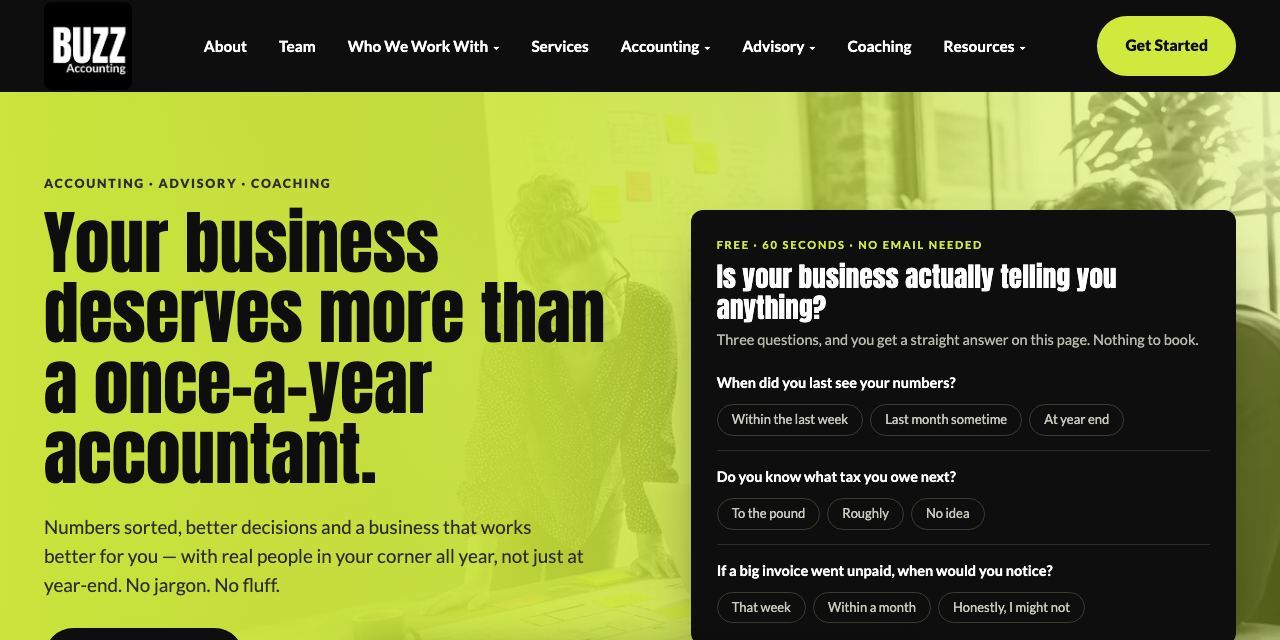
I don't just advise — I build and run. Here's what that looks like in practice.
Common questions

How do I know which of the four services I need?

Start with what is actually stuck. If the business leaks — churn, broken handoffs, work going out nearly right — that is advisory work. If everything routes through you and the fix needs somebody senior in the engine room every week, that is the fractional COO route. If the decisions above the business are the problem — governance, strategy, preparing for investment — that is a non-executive director seat. If you know what to do and cannot get to it, that is coaching. If two of those sound right, say so on the call and we will pick one rather than sell you both.

How much of your time do I actually get?

It depends on the route, and all of it is published rather than negotiated in the room. Fractional COO is £4,000 + VAT a month for one day a week, or £8,000 + VAT for two days embedded in the business. Non-executive work runs from £1,500 + VAT a month for a quarterly board seat to £3,500 for a retained adviser arrangement. Coaching is £1,000, £1,500 or £2,500 + VAT a month depending on session frequency and the support you want between sessions. Advisory is scoped per engagement, because the work varies too much for a rate card to be honest.

Do you work remotely or in person?

Both, with most of the work done remotely and in-person sessions where they genuinely add something — a first diagnostic, a leadership session, a board meeting. I am UK-based and work with UK founder-led and owner-managed businesses. Remote is not a compromise here: written thinking between fewer, better meetings tends to produce sharper work than a day of travel and a room full of people being enthusiastic. If your team is spread across sites, remote is usually an advantage, because everything ends up written down rather than remembered by whoever happened to be there.

Why are there no testimonials or case studies on this site?

Because I do not have permission to publish client results, and inventing them is not something I am willing to do. Client work is confidential, most of it is commercially sensitive, and a page of anonymous quotes proves nothing anyway. What I can show you is the work itself: four businesses I have founded and back, and a body of writing that will tell you within ten minutes whether I think like somebody who could help you. If real, attributable references would help you decide, ask on the call and I will see what I can arrange properly.

What does “innovation consultant” actually mean in practice?

In practice it means finding a simpler way to run the thing you already run — not buying technology. Most of what I do is unglamorous: writing down a process nobody had written down, correcting a price that has not moved in three years, deleting a report nobody reads, giving a job a single owner. Occasionally it means new tools, but only after the process they are meant to support exists on paper. I have a rule about this on the advisory page: no tech for tech's sake. Value over vanity, every time.

Let's get real about
growing your business.

Book a free, no-obligation 30-minute call. We'll find the biggest opportunity in your business — then you decide if you want a hand fixing it. No pitch, no fluff.

Book a call →

Prefer email? andy@andyjackson.com